Bookish Mahjong Clipart Graphics and Illustrations Review
In the world of digital publishing, the difference between a scroll-past and a click-through often comes down to visual storytelling. As a blog designer who has spent years optimizing editorial layouts for readability and engagement, I have learned that design assets are not merely decorative; they are functional tools that guide the reader’s eye and establish trust. Recently, I evaluated a specific graphic design asset known as Bookish Mahjong Clipart to determine its viability for real-world content publishing projects. This review explores how this watercolor-style illustration fits into modern web design, affiliate marketing strategies, and brand identity systems.
The Editorial Mood and First Impressions
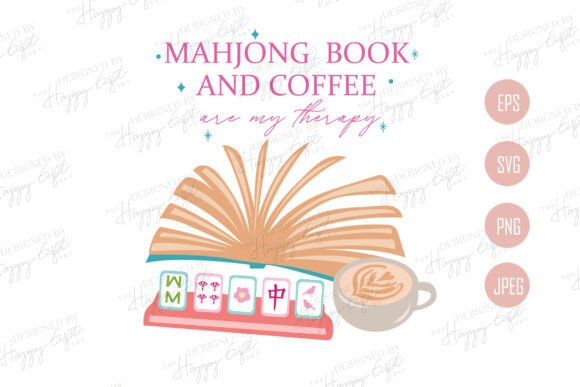
When you first encounter Mahjong watercolor PNG assets like the one labeled U00269, the immediate sensation is one of cozy sophistication. The aesthetic blends the tactile comfort of reading with the strategic, social nature of Mahjong tiles. For a content creator, this creates a unique editorial mood: it is playful yet intellectual, feminine but not overly sweet, and artistic without being chaotic. This particular style of Bookish clipart naturally supports niches such as lifestyle blogging, literary reviews, women’s wellness, hobbyist communities, and creative entrepreneurship.
The watercolor texture adds an organic feel that stands out against the sterile white backgrounds common in modern web design. It suggests a human touch, which is crucial for building reader connection. Unlike rigid vector graphics, these illustrations carry a sense of warmth and authenticity. For bloggers aiming to create a "digital living room" atmosphere, this asset helps bridge the gap between professional presentation and personal voice. It signals to the audience that the content within is curated with care, encouraging them to linger longer on the page.
Real-World Publishing Applications
One of the most critical aspects of any design asset is its versatility across different media formats. In my workflow, I frequently repurpose single graphics to maximize efficiency while maintaining high visual standards. Here is how Mahjong Book Coffee clipart can be integrated into a comprehensive content strategy:
- Blog Featured Images and Headers: Use the illustration as a subtle overlay or background element behind bold typography. This creates depth and draws attention to the headline without overwhelming the text.
- Pinterest Pins and Social Media Graphics: The vertical composition of many Mahjong-themed designs makes them ideal for Pinterest pins. They offer a distinct visual break in a feed dominated by photography, increasing click-through potential.
- Digital Guides and Lead Magnets: If you are creating a downloadable PDF, such as a "Reading Challenge Tracker" or a "Mahjong Party Planning Guide," this clipart elevates the perceived value of the free resource. It transforms a simple document into a polished digital product.
- Newsletter Banners: Email open rates depend heavily on preview text and subject lines, but the body design keeps subscribers engaged. A header featuring Watercolor Mahjong U00269 Perfect for mahjong party decoration themes can set a festive tone for monthly roundups or book club announcements.
- Category Thumbnails: On a content-heavy site, consistent visual cues help users navigate. Using this asset for categories related to "Hobbies," "Books," or "Events" creates instant recognition.
Impact on Content Performance and Trust
Visual hierarchy is the backbone of effective web design. When a user lands on your site, their eyes scan for patterns. Consistent use of high-quality illustrations reinforces your brand identity. By incorporating Bookish Mahjong Clipart into your content marketing efforts, you signal professionalism. Readers subconsciously associate well-designed visuals with high-quality writing. If your graphics look cheap, readers may assume your advice or recommendations lack depth.
Furthermore, these assets support better affiliate marketing results. When promoting products—such as books, board games, or coffee subscriptions—using relevant, thematic graphics increases contextual relevance. A pin showing Mahjong tiles next to a stack of novels feels more authentic than a generic stock photo. This authenticity builds reader trust, which is the currency of successful online publishing. Additionally, using these graphics in Canva templates allows for rapid scaling of your visual output, ensuring that every piece of content, from blog posts to Instagram stories, maintains a cohesive look.
Strategic Placement and Visual Hierarchy
To get the most out of this graphic design asset, placement matters. These illustrations work best when given breathing room. Consider using them as accents rather than the sole focal point. For example, place a small Mahjong tile graphic beside a pull quote to emphasize a key takeaway. Or, use a larger watercolor wash as a backdrop for your website header, ensuring there is sufficient contrast for your navigation menu.
This approach enhances visual communication by breaking up large blocks of text. In long-form articles, which are common in editorial publishing, visual breaks reduce cognitive load. They give the reader’s eyes a moment of rest, making the content feel less daunting and more inviting. This is particularly effective for downloadable printables and worksheets, where clarity and aesthetic appeal drive downloads.
Where to Exercise Caution
While versatile, no single asset fits every scenario. There are contexts where Mahjong watercolor PNG files might detract from your message:
- Small Mobile Thumbnails: At very small sizes, the intricate details of watercolor textures can become muddy. Test these images at 150px width to ensure they remain recognizable.
- Text-Heavy Blog Images: Avoid placing dense paragraphs over busy illustrations. The competing visual noise will hurt readability.
- Serious Professional Niches: If you are writing for corporate finance or legal sectors, this playful aesthetic may undermine authority. Reserve it for lifestyle, creative, or hobby-based sections.
- Low-Contrast Backgrounds: Ensure the colors of the clipart stand out against your background. Muted pastels on light gray backgrounds can disappear, reducing impact.
Practical Publisher Notes for Implementation
Before integrating Bookish Mahjong Clipart into your live site, follow these technical checks to ensure optimal performance and legal compliance:
- Responsive Testing: View your designs on both desktop and mobile devices. Ensure the illustration does not obscure important text on smaller screens.
- Font Pairing: Experiment with typography. This asset pairs beautifully with serif fonts for a classic literary feel, or sans-serif fonts for a modern, clean look. Avoid pairing it with overly ornate script fonts unless you are skilled in balancing complexity.
- File Size Optimization: Large image files slow down page load times, which negatively impacts SEO. Compress your PNGs using tools like TinyPNG before uploading. Aim for file sizes under 100KB where possible.
- Licensing Verification: Always confirm the commercial license terms. Even if purchased for personal use, you must verify that commercial usage is permitted for monetized websites, affiliate pages, and paid digital guides.
- Black and White Preview: Convert your layout to grayscale to check contrast levels. If the design loses meaning or legibility in black and white, it lacks sufficient structural integrity.
Final Verdict for Digital Publishers
For bloggers, designers, and content creators looking to add a layer of personality and polish to their online presence, Mahjong Book Coffee clipart is a strong contender. It offers a unique blend of artistic charm and thematic specificity that generic stock photos cannot match. By using this asset strategically, you enhance your editorial design, improve user experience, and strengthen your small business branding. Whether you are designing a lead magnet, a social media post, or a full website rebrand, this illustration provides a reliable foundation for creating content that is not only read but remembered. In an era of information overload, distinctive, high-quality visuals are your best tool for standing out.