Baking Kitchen Utensil Jumbo Paperclip Embroidery Review
When I scroll through digital design marketplaces looking for that one piece to elevate a client’s custom order, I am usually looking for more than just a cute image. I am looking for stitchability, brand alignment, and visual weight. Recently, I came across the Baking Kitchen Utensil Jumbo Paperclip, a sublimation-style graphic marketed toward crafters and small business owners. While the title suggests a whimsical twist on baking tools, my job as an embroidery designer is to strip away the marketing fluff and look at the raw potential of the asset. Is this a viable machine embroidery design for serious projects, or is it better suited for simple prints? After analyzing the concept and considering how it translates from a digital file to thread, here is my practical breakdown.
First Impressions: Mood and Visual Personality
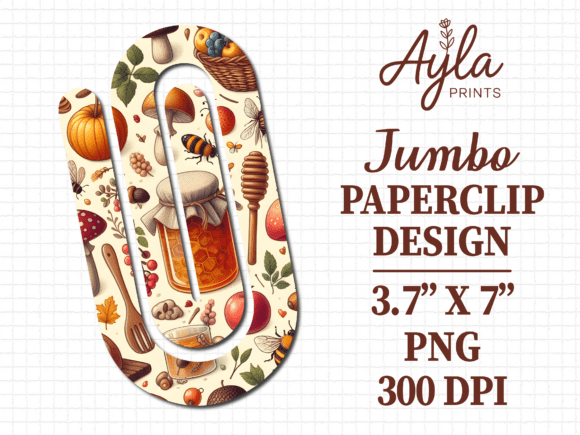
The immediate appeal of the Baking Kitchen Utensil Jumbo Paperclip lies in its juxtaposition. It takes the utilitarian shape of a jumbo paperclip—a symbol of organization and simplicity—and merges it with the warm, inviting aesthetic of baking utensils. In terms of mood, it feels cozy yet structured. It does not scream "loud bakery branding"; instead, it whispers "organized creativity." This makes it an excellent candidate for brands that want to appear approachable but professional.
From a layout perspective, the design likely relies on clean lines and distinct shapes. As a reviewer, I appreciate designs that do not rely on overly complex gradients, which often translate poorly into thread. The concept of a "jumbo" element suggests boldness, which is crucial for embroidery. Thin, delicate lines can get lost in the fabric texture or disappear entirely if the stitch density is not adjusted correctly. This design’s strength appears to be its substantial form factor, allowing it to hold its own against heavy fabrics like denim or thick cotton blends.
Real-World Application: Where Does It Fit?
I recently considered using a similar conceptual design for a boutique client who runs a small shop specializing in personalized kitchen gifts. They wanted something that could work on multiple products without feeling repetitive. The Baking Kitchen Utensil Jumbo Paperclip offers remarkable versatility. Here is how I see it performing in specific scenarios:
- Kitchen Towels and Aprons: This is the most obvious application. The theme aligns perfectly with culinary arts. When stitched onto a flour-sack towel or a canvas apron, the design adds a touch of humor and utility. It signals that the wearer enjoys the process of cooking and organizing.
- Tote Bag Design: For an Etsy seller creating tote bags for grocery shopping or farmers market runs, this design provides a sturdy visual anchor. A jumbo paperclip shape implies holding things together, which metaphorically fits the purpose of a tote bag. It looks great centered on the front panel or placed discreetly near a pocket.
- Sweatshirt Embroidery: On a heavyweight hoodie, the design can serve as a focal point. Because it is described as "jumbo," it likely has enough surface area to showcase different thread textures, such as a satin stitch for outlines and fill stitch for solid areas.
- Personalized Gift: Imagine a wedding gift for a couple who loves to bake. Adding their names below this motif creates a high-value handmade product. It feels thoughtful and curated, rather than mass-produced.
Technical Considerations for the Embroidery Designer
While the concept is strong, the execution depends entirely on how you digitize or adapt the source file. Since the product description mentions receiving PNGs for sublimation, you will need to ensure these graphics are converted properly for your machine. If you are using this as a base for an applique design, the clean edges of the paperclip shape are ideal. However, if you are attempting a direct stitch-out, you must pay close attention to detail.
Hoop Size and Stitch Density
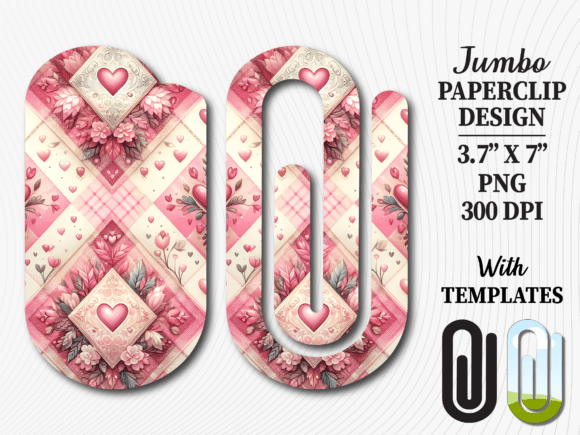
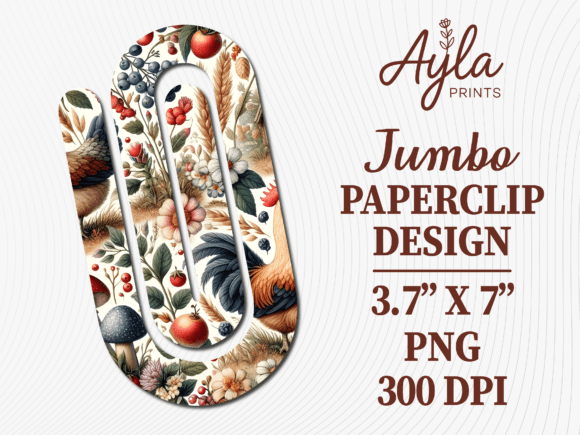
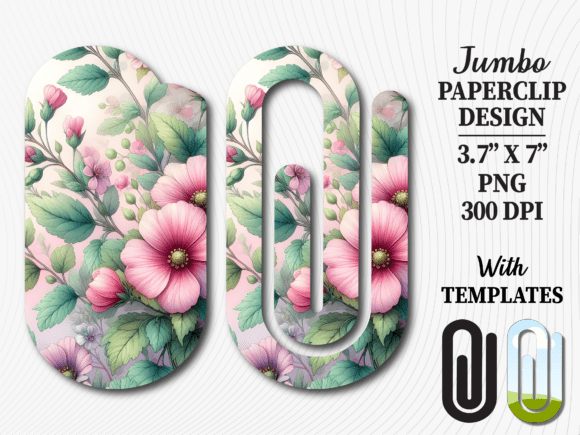
The design is noted to be approximately 3.7×7 inches. This is a generous size, allowing for detailed stitching without feeling cramped. However, if you attempt to downsize this for a smaller hoop size, such as a 4x4 inch hoop, you risk losing definition. The "jumbo" aspect might become too small to read clearly, especially if the design includes fine details of the utensils within the clip. Always test the design at full scale first.
Furthermore, check the stitch density. Baking utensils often have metallic or textured appearances in illustrations. In embroidery, you cannot replicate glossiness easily. You must decide whether to use a high-density fill to simulate solidity or a lighter stitch pattern to keep the fabric flexible. For items that will be washed frequently, like kitchen towels, a denser stitch pattern ensures longevity, preventing the threads from pulling out after a few cycles.
Fabric and Stabilizer Choices
The choice of fabric will dictate the success of this project. On a smooth, tight-weave cotton, the design will pop. On a textured fabric like a chunky knit sweater or a rough burlap, the details may get swallowed by the weave. I recommend using a cut-away stabilizer for woven fabrics to prevent puckering, especially given the height of the 7-inch dimension. For stretchy materials like t-shirt jerseys, a tear-away stabilizer might suffice, but you must hooping carefully to maintain tension.
Strategic Advice for Sellers and Makers
If you are a craft business owner or a small shop product creator, the Baking Kitchen Utensil Jumbo Paperclip offers a unique selling proposition. It bridges the gap between office supplies and home decor, appealing to a broader audience than a standard whisk or rolling pin design. This cross-category appeal can help you stand out in crowded marketplaces.
However, there are places where this design should be used with caution. Avoid placing it on highly curved surfaces like baseball caps unless you have significant experience with cap hoops. The rectangular nature of a paperclip might distort when wrapped around a curve, leading to misalignment. Additionally, be mindful of thread colors. If you choose dark fabric, ensure your thread contrast is high. A black paperclip on a navy shirt will vanish. Stick to light, metallic, or bright thread colors to maintain visibility.
Mockups and Presentation
Before committing to production, create a printable mockup or a digital preview. Seeing the design in black and white can help you evaluate its silhouette. Does it still look balanced without color? If the answer is yes, you have a strong design asset. This step also helps you confirm licensing terms. Ensure you have the right to sell finished goods made from this digital embroidery file. Many sublimation designs come with restrictions that differ from dedicated machine embroidery files.
Final Verdict
The Baking Kitchen Utensil Jumbo Paperclip is a charming, versatile concept that holds up well under scrutiny. It offers a fresh take on kitchen-themed decor and has the potential to drive engagement for commercial embroidery projects. Its bold shape and thematic relevance make it suitable for everything from personalized gifts to boutique branding. By paying attention to stitch density, fabric choice, and proper conversion from the provided PNGs, you can transform this graphic into a professional, high-quality finished product. For designers willing to put in the technical prep work, this is a solid addition to any creative arsenal.