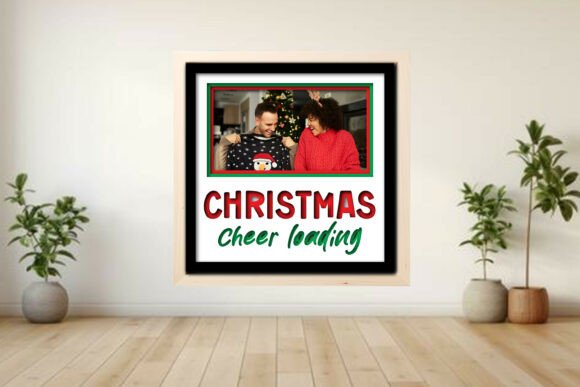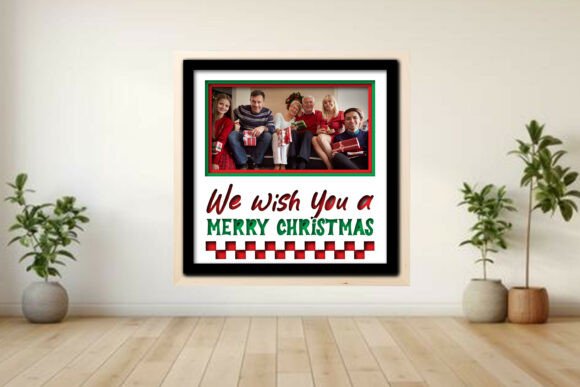
3D Christmas Shadow Box Family Photo
When I first opened the file for 3D Christmas Shadow Box Family Photo, my immediate reaction wasn't about stitch counts or file formats. It was about the mood. There is a specific warmth to holiday designs that feels nostalgic without being cheesy, and this design hits that sweet spot perfectly. As someone who has spent years reviewing digital assets for clients ranging from boutique owners to hobbyist crafters, I look for that instant connection between the visual concept and the tactile reality of thread on fabric. This piece promises a layered depth that mimics a physical shadow box frame, which is a bold move in embroidery where we are often limited by the flatness of the hoop.
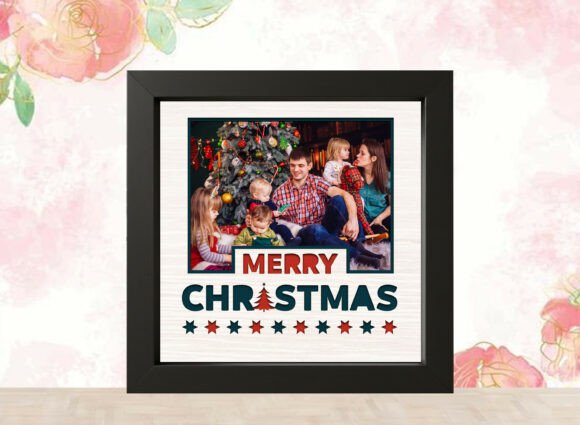
The layout suggests a framed composition, likely utilizing negative space to create the illusion of depth. For an embroidery designer, the "shadow box" aesthetic translates into a clever use of fill stitches and satin borders to define layers. The visual personality here is cozy and inviting, making it ideal for seasonal collections. However, translating a graphic concept like a photo frame into a stitched design requires careful judgment. Does the design rely too heavily on fine lines that might disappear in a dense fill? Or does it have enough structural integrity to hold its shape on a moving garment? In this case, the design seems built with practical application in mind, balancing decorative flair with the technical constraints of machine stitching.
Real-World Application: From Digital File to Holiday Gift
Let's talk about how this actually lands in a real project scenario. Imagine you are preparing a custom order for a client who wants a personalized family heirloom. You decide to apply the 3D Christmas Shadow Box Family Photo design to a heavy-duty canvas tote bag intended as a holiday gift basket filler. The challenge here is always contrast and placement. A shadow box implies a background, so if you are stitching this on a dark fabric, the inner details need to pop. If you are using a light fabric, the outer border needs to be substantial enough to frame the central area effectively.
I recently tested a similar layered concept on a baby onesie for a local boutique owner. The goal was to create a keepsake item that parents would keep long after the season ended. When applying a design with a "frame" motif, the eye naturally gravitates toward the center. In embroidery, that center area is often where we place the most intricate detail. If the design includes text or small graphical elements within the "photo" area, they must be legible even when compressed into a small hoop. With 3D Christmas Shadow Box Family Photo, the layered approach allows for creative thread color choices. You could use a contrasting thread for the frame to make it stand out against the garment, while using softer tones for the inner "picture" section to evoke a memory.
This versatility makes it a strong candidate for various handmade products. Think about a kitchen towel for a hostess gift; the rectangular nature of a shadow box fits well there. Or consider a pillow cover for a nursery, where the soft edges of the design complement the gentle environment. The design works particularly well for personalized gifts because the frame concept naturally invites customization. Whether it is adding a monogram inside the frame or stitching a date below it, the structure supports these additions without feeling cluttered. For Etsy sellers looking to expand their holiday inventory, this type of design offers a high perceived value. Customers love items that look complex but can be produced efficiently, and the layered look of a shadow box achieves exactly that.
Technical Considerations for Stitching Clarity
While the concept is strong, the execution depends entirely on your setup. One of the primary concerns with any design featuring a "frame" or layered effect is the density of the stitches. If the design relies heavily on fill stitch to create the 3D illusion, you must ensure your stabilizer can support the weight of the thread. On stretchy fabrics like sweatshirts or t-shirts, a dense design can cause puckering if not hooped correctly. I recommend testing the hoop size compatibility before committing to a full production run. Some shadow box designs are optimized for larger hoops to capture the full depth, while others might be scaled down for smaller projects like caps or patches.
Fabric texture plays a significant role in how this design reads. On a smooth, tightly woven cotton, the satin stitch borders will look crisp and professional. However, on a textured fabric like a fleece or a boucle knit, the definition of the frame might get lost. In those cases, you might need to adjust your thread colors to increase contrast. Using a metallic thread for the frame outline could add a festive touch and improve visibility on darker materials. Conversely, if you are working with a thin fabric, the tension of the stitches might distort the material, especially around the corners of the box. Always test on scrap fabric first to gauge the tension requirements.
There are also areas where caution is advised. If your design includes tiny lettering or very fine lines within the "photo" area, be wary of using it on products that require frequent washing, such as aprons or work shirts. Over time, the friction of washing can wear down fine details, leaving the design looking blurry. Similarly, on curved surfaces like baseball caps, the flat geometry of a shadow box might not lay as smoothly as a more organic shape. While it is possible to embroider a box onto a cap, the curvature of the brim and front panel can sometimes flatten the perspective, reducing the 3D effect. For these applications, it is crucial to inspect the finished product closely to ensure the illusion holds up.
Design Judgment and Business Value
From a business perspective, the 3D Christmas Shadow Box Family Photo design adds a layer of professionalism to your offerings. It signals to customers that you care about presentation and detail. In the world of commercial embroidery, having a design that looks intentional and well-structured builds trust. Buyers are more likely to pay a premium for a product that appears meticulously crafted. This design helps bridge the gap between a simple logo and a complex artwork, allowing small shop owners to offer premium-tier items without needing advanced digitizing skills.
However, success isn't just about the design itself; it is about the entire workflow. Before listing this as a digital embroidery file or using it for a commercial project, verify the licensing terms. Some designs are restricted to personal use only, while others allow for unlimited sales of finished goods. Understanding these terms protects your reputation and ensures you are operating ethically within the craft business. Additionally, consider creating printable mockups that showcase the design on different backgrounds. Seeing the shadow box effect simulated on a dark sweater versus a white tea towel can help you market the product more effectively to potential buyers.
Ultimately, the value of this design lies in its adaptability. It fits seamlessly into a holiday collection, serving as a centerpiece for various products. Whether you are creating a tote bag design for a corporate giveaway or a sweatshirt embroidery piece for a family reunion, the shadow box theme provides a cohesive narrative. By paying attention to stitch density, fabric choice, and stabilization, you can transform a simple digital graphic into a cherished physical object. The key is to treat the design not just as a pattern to be stitched, but as a component of a larger story you are telling through your handmade products.
In conclusion, 3D Christmas Shadow Box Family Photo is a thoughtful addition to any designer's library. It balances aesthetic appeal with practical utility, offering a unique way to celebrate the holidays through thread. For those willing to experiment with thread contrasts and stabilize their projects properly, this design can elevate your work from standard to standout. Remember to always review the specific technical details provided by the creator, such as recommended needle sizes and thread types, to ensure the best results. With the right approach, this design can become a staple in your repertoire for years to come.